How to Make a Hard Detroit Beat That Hits Like "We Outside"
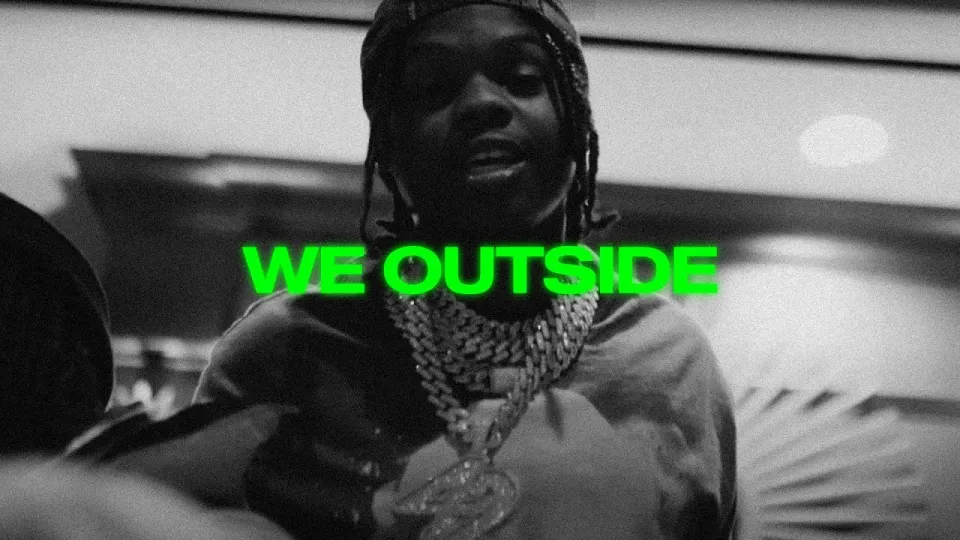
Video: (FREE) HARD DETROIT TYPE BEAT 2024 - "WE OUTSIDE"
Want articles like this for your own video to promote it on YouTube and Google? Order them through the Telegram bot @sat_sit_bot. It writes articles around your video, embeds the video and publishes them on popular niche websites (no ads). Your first 50 articles are free.
· based on the channel davegotbeats
A hard Detroit beat is built on a driving 130–150 BPM tempo, punchy drums, aggressive 808 slides, and dark minor-key melodies. To make one, start with a sparse, menacing loop, layer in syncopated kicks and snares, and use 808 glides to create tension. Producer davegotbeats demonstrates this formula in the free beat "We Outside," which you can download or purchase via this BeatStars link (buy two get two free).
What Defines a Hard Detroit Type Beat
A hard Detroit type beat combines the raw energy of Detroit rap with modern trap production. The tempo usually falls between 130 and 150 BPM, often with a halftime feel that makes the beat feel both fast and heavy. The drums are aggressive: kicks hit hard and are often syncopated, snares are crisp and frequent, and hi-hats roll in rapid patterns. The 808 bass is central—it slides between notes, creating a menacing undertone. Melodically, producers favor dark pianos, eerie synths, and minor chords. The overall vibe is gritty and street-ready, perfect for rappers delivering intense, confident verses.
Step-by-Step: Building the Drum Pattern
- Set your tempo. Start at 140 BPM. This is a sweet spot for hard Detroit beats—fast enough for energy, slow enough for heavy halftime drums.
- Lay down the kicks. Place kicks on the downbeats and add extra hits on the "and" of beats to create a bounce. Syncopation is key.
- Add snares. Use a sharp, layered snare on the third beat of each bar, and add ghost snares for texture.
- Program hi-hats. Use 16th-note patterns with occasional 32nd-note rolls. Vary velocity to keep it human.
- Incorporate percussion. Add claps, rimshots, or shakers to fill the high end.
A common mistake is over-quantizing; slight timing variations make the beat feel alive. Reference tracks like "We Outside" to hear how davegotbeats balances punch and swing.
Crafting the 808 and Bassline
The 808 is the heartbeat of a hard Detroit beat. Choose a clean, distorted 808 sample. Tune it to the key of your melody. Write a bassline that moves—use slides (glides) between notes to create tension. For example, slide from the root to a minor third or fifth. Keep the pattern simple but impactful; let the 808 carry the low end while the kick punches through. Sidechain the kick to the 808 so they don't clash. In "We Outside," the 808 slides are aggressive and match the dark melody perfectly.
Melodic Elements: Dark Loops and Samples
Melodies in hard Detroit beats are often dark, cinematic, and minor-key. Use piano, strings, or synth leads. Try a simple two- or four-bar loop with a haunting motif. Add reverb and delay for depth. Sampling is also common—flip a soul or rock sample, pitch it down, and chop it. If you're using a sample, make sure it's cleared or royalty-free. davegotbeats' beat features a sinister melody that complements the hard drums without overpowering them.
Mixing and Mastering for Punch
Mixing is where a beat goes from good to professional. Start with gain staging: keep levels around -6 dB on individual tracks. EQ the kick and 808 so they occupy different frequency ranges—kick around 50–80 Hz, 808 around 40–60 Hz with a boost at 100 Hz for definition. Compress the drum bus for glue. Use saturation on the 808 for harmonic richness. On the master, apply gentle compression and a limiter to catch peaks. Aim for around -8 LUFS integrated for streaming. A well-mixed hard Detroit beat will sound loud and clear on any system.
Common Questions from Producers
Many producers ask about tempo, licensing, and how to get their beats heard. Based on comments on davegotbeats' "We Outside," listeners often wonder if they can rap on the beat for free—yes, for non-profit use, but streaming requires a license. Others ask about the best DAW; FL Studio is popular for trap and Detroit styles due to its step sequencer and 808 tools. Some want to know how to make 808 slides—in FL Studio, use the piano roll's slide notes; in Ableton, use glide and legato. Finally, many ask how to promote beats; consistent uploads, tagging, and networking on BeatStars help.
Licensing and Usage Rights
When you download a free beat, it's usually for demo or non-profit use only. To release a song on Spotify, Apple Music, or other streaming platforms, you need a proper license. davegotbeats offers a purchase link where you can buy the beat and get a license. The "buy two get two free" deal makes it easy to stock up. Always read the license terms: some allow unlimited streams, others have caps. If you're serious about releasing music, invest in a lease or exclusive rights.
Final Thoughts
Making a hard Detroit beat requires attention to tempo, drum programming, 808 design, and dark melodies. Start with a solid drum pattern, layer in a sliding 808, and craft a menacing loop. Mix for punch and clarity, and always secure the right license for your release. davegotbeats' "We Outside" is a prime example of the style—check it out and grab the beat via this link. With practice and the right tools, you can create beats that hit as hard as the Detroit sound.
Useful Links
- Purchase or download "We Outside" on BeatStars
- davegotbeats.net – get 15+ free beats
- Contact: davegotbeats1@gmail.com
Key takeaways
- Detroit style beats typically sit between 130–150 BPM with a halftime feel.
- The signature sound uses punchy kicks, snappy snares, and aggressive 808 slides.
- Dark minor melodies and eerie samples set the tone for a hard Detroit type beat.
- davegotbeats offers a free hard Detroit type beat called "We Outside" via a BeatStars link.
- Proper licensing is required for streaming on Spotify and Apple Music.
Source: (FREE) HARD DETROIT TYPE BEAT 2024 - "WE OUTSIDE" · Markdown version
Questions & answers
Can I use a free Detroit type beat for my song?
Yes, free beats are typically available for non-profit or demo use. However, if you plan to release your song on streaming platforms like Spotify or Apple Music, you need to purchase a license. Always check the producer's terms.
What BPM should a hard Detroit beat be?
Most hard Detroit beats range from 130 to 150 BPM, often with a halftime feel. 140 BPM is a common sweet spot that balances energy and heaviness.
How do I make 808 slides in FL Studio?
In FL Studio, use the piano roll's slide notes feature. Place a slide note before the target note, and the 808 will glide. Adjust the slide time for different effects.
Where can I find more free Detroit type beats?
davegotbeats offers over 15 free beats on davegotbeats.net. You can also browse BeatStars or YouTube for other producers, but always verify licensing.